Choose Dunellen General Contractor for Expert Building Solutions
Choose Dunellen General Contractor for Expert Building Solutions
Blog Article
Why Picking the Best General Contractor Is Crucial for Your Project
Determining the right general contractor is a essential decision that can considerably influence a project's success. A competent contractor assures productive management and adherence to budgets. Their ability to work through setbacks and copyright lucid communication is essential. However, many construction owners miss critical factors in this procurement mechanism. Understanding these elements can point to better results and increased satisfaction. What should one consider when making this important decision?
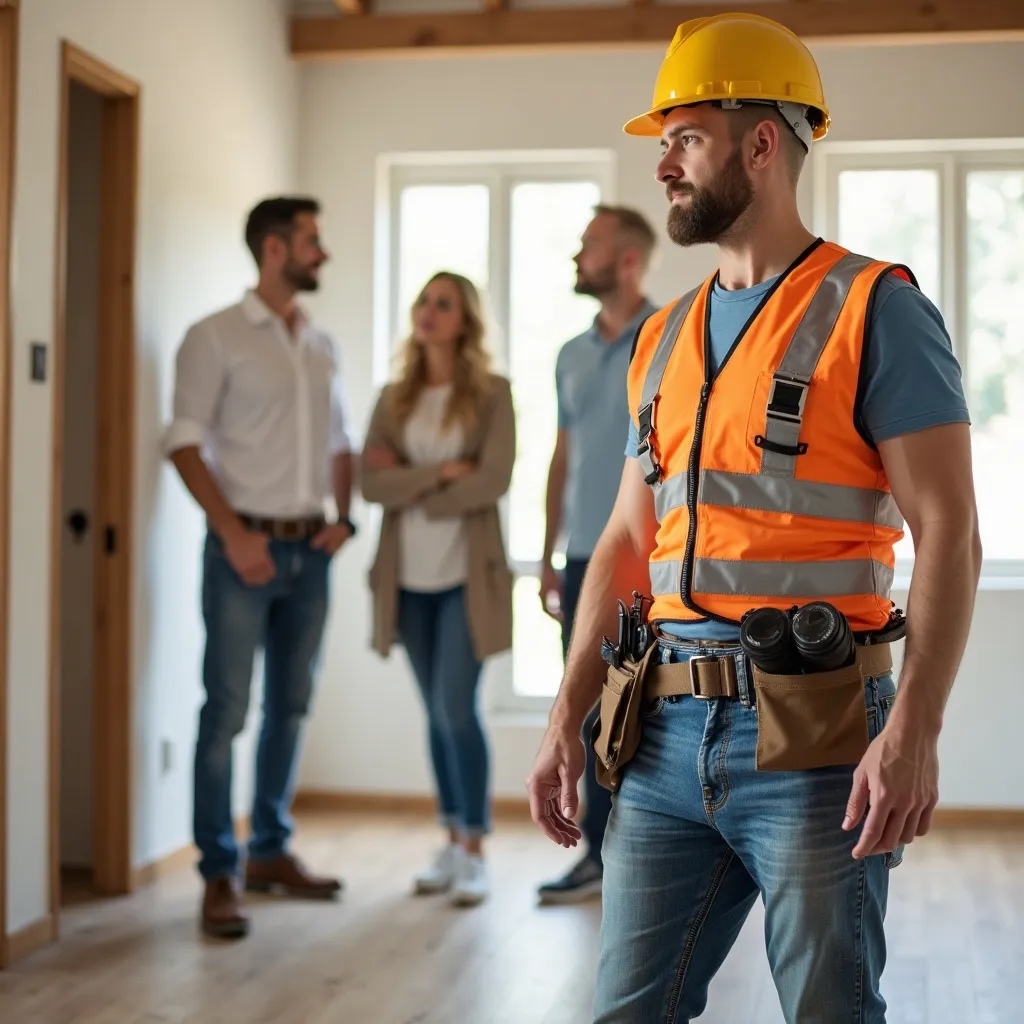
Typical Complications in Picking a General Project Lead
When selecting a building contractor, prospective customers often encounter several common challenges that can complicate the selection process. One major obstacle is the vast quantity of choices on offer, which can lead to confusion and indecision. Customers may struggle to differentiate between contractors based on qualifications, experience, and pricing, making it challenging to identify who will best satisfy their construction requirements.
Another difficulty is the absence of clarity in contractor proposals, where hidden costs may surface subsequently, impacting the project budget. Furthermore, clients may face issues concerning communication; some contractors may neglect to maintain client communication throughout the process, creating dissatisfaction. In conclusion, clients often struggle with confirming a contractor's references and past work, which can lead to doubt about the quality of service expected. These challenges require thorough deliberation and research to guarantee the right choice is selected.
Why a Solid General Contractor Is Critical
A dependable general contractor plays a crucial role in guaranteeing project management efficiency and maintaining quality assurance standards. Their expertise helps improve processes, reducing delays and costs. Additionally, a trustworthy contractor upholds high standards, resulting in superior craftsmanship and client contentment.
Optimize Project Administration Output
Successful project execution is dependent on the dependability of a general contractor. A trustworthy contractor promises that timelines are respected, resources are properly distributed, and communication runs smoothly among all stakeholders. Their ability to manage subcontractors, suppliers, and laborers directly affects the advancement and ultimate success of the project. A reliable contractor anticipates obstacles, implements remedies promptly, and maintains focus on project objectives, minimizing delays and controlling cost overruns. This effectiveness fosters teamwork that allows for necessary changes and upgrades. Ultimately, the general contractor's reliability enhances both project operations and trust among clients and team members, guaranteeing all stakeholders stay coordinated towards a successful conclusion.
Quality Assurance Standards
Reliable general contractors fulfill a significant role in enforcing quality assurance measures throughout the course of a project. They confirm that all work adheres to established guidelines and industry norms, which is for the longevity and safety of the structure. A competent contractor provides careful oversight of materials and workmanship, conducting regular inspections to identify and rectify problems quickly. This proactive strategy addresses risks associated with inferior construction, ultimately securing the investment. Furthermore, a reliable contractor fosters communication among all stakeholders, ensuring expectations are clear and met. By emphasizing quality assurance, a skilled general contractor not only improves the finished product but also cultivates trust with clients, establishing the basis for successful project outcomes.
Evaluating a Contractor's Background and Track Record
When assessing a general contractor, understanding their track record and reputation is crucial, as these factors significantly affect project results. A contractor's experience generally demonstrates their capacity to handle various project types, intricacies, and hurdles. Examining their collection of work delivers insight into previous work, highlighting craftsmanship and careful attention to specifics.
Moreover, standing plays a essential role in establishing trust. Prospective clients should examine internet testimonials, testimonials, and references to ascertain satisfaction levels from previous clients. Consulting with past customers can indicate the contractor's reliability, communication skills, and adherence to timelines and budgets.
Moreover, professional memberships and certifications can enhance a contractor's credibility, demonstrating a commitment to excellence and moral practices. By thoroughly evaluating both expertise and track record, clients can make informed decisions, ultimately laying the groundwork for a successful construction project.
Important Qualities of a Credible Contractor
A dependable contractor regularly demonstrates integrity, openness, and excellent interpersonal abilities. These vital traits create the basis of a prosperous working relationship. Honesty guarantees the contractor conforms to moral standards, offering honest evaluations and practical schedules. Transparency entails fully disclosing assignment information, including expenses and potential challenges, building trust between the contractor and the client.
Robust interpersonal skills enable the contractor to effectively communicate ideas, understand client requirements, and promptly address any issues that occur during the act now project. Additionally, a dependable contractor demonstrates flexibility, responding to modifications and unexpected circumstances with flexibility and composure. Careful attention to detail is another key trait; it reflects a commitment to excellence and precision in every aspect of the work. In the end, these qualities not only improve project outcomes but also add to a positive interaction for clients, making the selection of a trustworthy contractor all the more critical.
Critical Topics to Ask When Hiring Your General Contractor?
What method can a person take to guarantee they pick the right general contractor for their project? By posing a series of targeted questions, potential clients can more effectively evaluate candidates. First, asking about the contractor's experience with similar projects offers insight into their expertise. It's also vital to ask for references; speaking with previous clients can reveal the contractor's dependability and quality of work.
Then, reviewing licensing and insurance confirms that the contractor meets legal obligations and protects the client from conceivable liabilities. Clients must also inquire about timelines and project management tactics to determine how the contractor plans to execute the project productively.
Budget talks are crucial; requesting a detailed quote prevents surprise costs later. Finally, grasping the contractor's communication style preferences can set the groundwork for a productive working relationship. By tackling these key questions, clients can choose wisely in selecting their general contractor.
Communication Plays a Key Role With Your Contractor
Effective discourse with a contractor is necessary for undertaking accomplishment. Clarifying clear parameters and providing timely updates can prevent conflicts that often lead to expensive interruptions. Additionally, fostering an honest interaction nurtures confidence, assuring a smoother collaboration throughout the building process.
Clear Expectations Create Achievement
Establishing explicit expectations is essential for a productive partnership with a general contractor. Effective communication creates the groundwork for understanding project goals, timelines, and budget constraints. When both parties express their needs and concerns, it reduces the risk of misunderstandings that can derail progress. A contractor who knows the specific requirements can manage resources effectively and address potential challenges proactively. In addition, transparency fosters accountability, making certain that the contractor delivers on promises and that the homeowner feels involved in the process. By prioritizing open dialogue from the outset, clients can improve cooperation and satisfaction, ultimately leading to a more efficient project execution. Clear expectations not only streamline operations but also build trust between the homeowner and the contractor.
Quick Updates Prevent Confusion
Setting defined parameters lays the groundwork for effective collaboration, although consistent exchange is equally important. Regular reports shared by construction managers can prevent confusion that could arise over the course of a job. When construction teams regularly share status reports, customers remain up to date on project timelines, budget modifications, and potential obstacles. This proactive interaction helps synchronize each side's expectations and lessens the risk of disputes later on. Moreover, when concerns emerge, swift notification enables faster fixes, guaranteeing the work remains on track. By establishing a climate of transparent dialogue, contractors show their dedication to the job's success, in the end yielding a smoother workflow and increased customer gratification. For this reason, prompt updates function as a cornerstone for upholding clarity and trust over the course of the building process.
Frank Exchange Establishes Trust
As a endeavor unfolds, maintaining an open dialogue with the general contractor becomes paramount for encouraging belief and collaboration. Direct communication guarantees that all parties have a clear understanding of objectives, timelines, and potential challenges. When trade professionals and customers engage in regular discussions, it allows for the discovery of issues before they grow worse, reducing disruptions. This candor not only builds certainty but also optimizes the overall project experience. Likewise, an open line of communication encourages responses, enabling the construction leader to make adjustments that conform to the client's expectations. In conclusion, effective interaction grounds a structure of shared esteem, which is essential for the successful completion of any construction project. Trust fostered through exchange leads to superior performance for everyone involved.
Frequently Raised Questions
What ways can I use to assess if a Contractor is Licensed?
To assess if a contractor is licensed, one should check local registration agencies and web portals, confirm their license number, and establish it's active. Additionally, looking at online reviews can provide awareness of their credibility and reliability.
What Insurance Should My Work Professional Carry?
A builder must have broad coverage protection, employee injury coverage, and, if applicable, errors and omissions coverage. These protect against potential damages, workplace injuries, and mistakes in craftsmanship, ensuring financial protection for both the contractor and the customer.
What Procedures Should I Take to Assess a Contractor's References?
To confirm a contractor's references, one should request a list of previous clients, reach out to them personally, and inquire about their experiences. Additionally, researching online reviews and ratings can offer useful information into the contractor's trustworthiness.
What Should I Take if Difficulties Present Themselves During the Assignment?
If difficulties surface during the project, one should document the concerns, engage directly with the contractor, and achieve a resolution. If necessary, engaging a mediator or consulting a legal professional may also be warranted.
Are There Warning Signs to Watch for During the Recruitment Process?
Red flags in the recruitment phase include vague estimates, lack of references, inadequate responsiveness, missing certifications, and unfavorable ratings. These signals point to potential issues that could affect the quality and schedule of the project.
Report this page